
Travel West Bali
Heartwarming Stories of Kindness and Community in West Bali
In this guide
When travelers dream of West Bali, their minds often wander to the quiet stretches of Pemuteran’s coast, the underwater wonderlands of Menjangan Island, or the emerald canopy of the national park. Yet, ask anyone who has stayed long enough to let the rhythm of the region settle into their pulse, and they will tell you the same thing: the true magic of West Bali doesn’t lie in its landscapes, but in the gentle, enduring warmth of its people.
Far away from the fast-paced commercialism of the south, life in the west moves to a different beat. Here, community isn’t just a concept—it is the very foundation of daily life.
1. The Philosophy of Gotong Royong in Daily Life
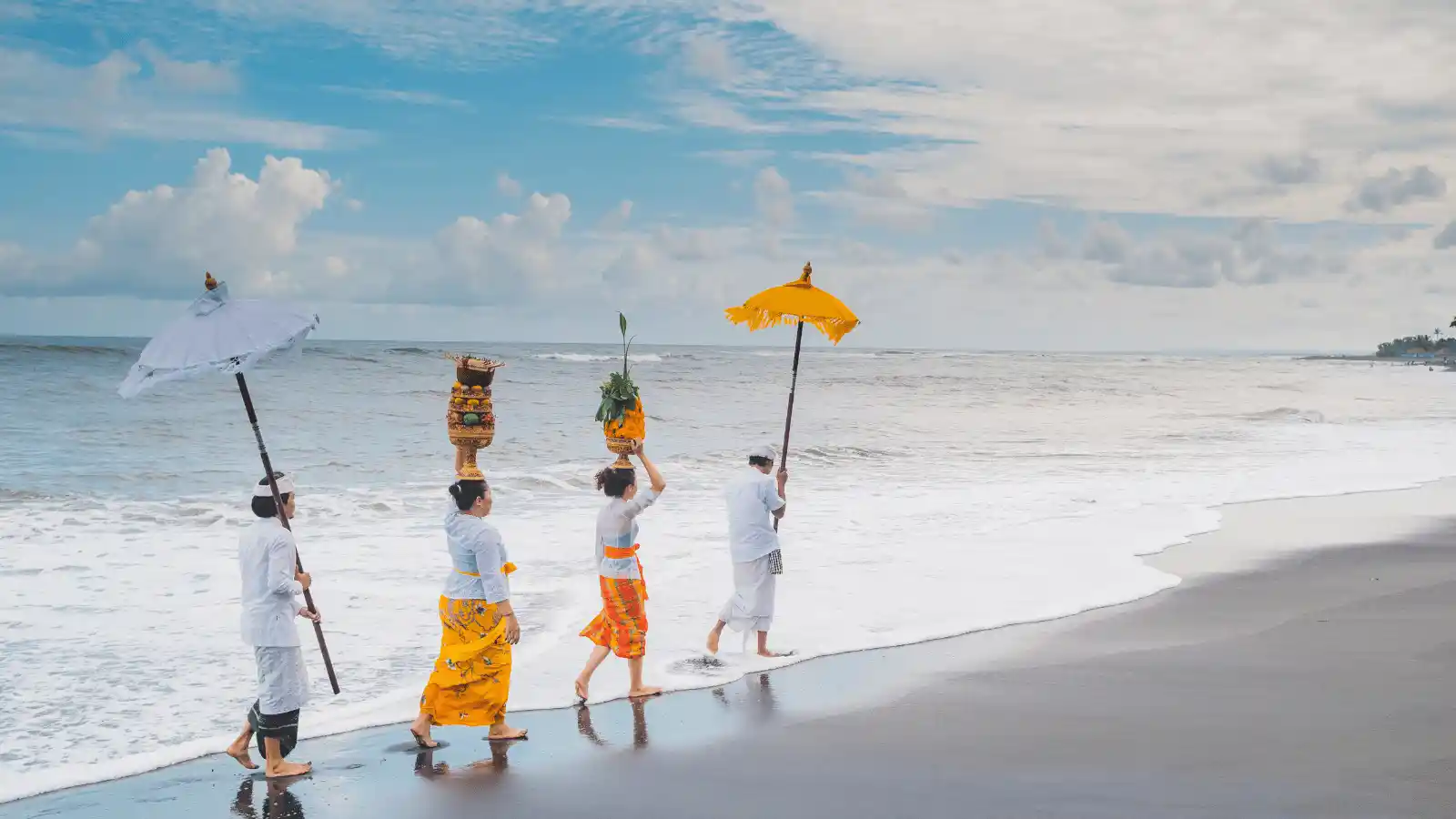
In West Bali, the traditional Indonesian spirit of gotong royong (mutual assistance) is not a fading ideal; it is an active daily practice. Whether it is repairing a neighbor’s fishing boat after a rough sea, gathering to prepare intricate offerings for a village temple ceremony, or building a communal shaded rest area along the beach, tasks are shared effortlessly.
For visitors, this spirit manifests in small, unexpected moments of generosity. Walk through a village like Sumberkima or Pejarakan in the late afternoon, and it is almost impossible not to be greeted with warm smiles, genuine wave-downs, and invitations to sit for a cup of sweet black coffee. Locals don’t look at travelers as transient tourists, but as guests to be welcomed into their extended living room.
2. Guardians of the Reef and Forest
The environmental treasures of West Bali exist today largely because the local communities took action to protect them. In Pemuteran, local fishermen and elders banded together decades ago to transform overfished, damaged reefs into a world-renowned Biorock marine sanctuary. Instead of viewing conservation as a restriction, the villagers embraced it as a collective duty (ngayah) to honor the ocean that feeds them.
Similarly, near the borders of West Bali National Park, local youths actively participate in forest patrols, eco-guiding, and Bali Starling conservation programs. Their kindness extends to the natural world around them, reflecting a deep-rooted Balinese belief in Tri Hita Karana—living in harmony with God, fellow human beings, and nature.
3. A Tapestry of Religious Harmony
West Bali, particularly near the port town of Gilimanuk and surrounding coastal hamlets, is home to a unique cultural melting pot where Hindu, Muslim, and Christian communities live side-by-side in absolute peace.
During major religious festivals, this harmony shines brightest. It is a common, heartwarming sight to see Muslim villagers helping direct traffic during Hindu Odalan temple ceremonies, just as Hindu neighbors visit Muslim homes with gifts of food during Idul Fitri. This quiet tolerance and mutual respect create an atmosphere of safety and genuine peace that every traveler immediately senses upon arrival.
4. Unscripted Moments of Hospitality
Ask any seasoned traveler about their favorite memory of West Bali, and chances are it involves an unscripted act of local kindness. It’s the street food vendor who insists on adding extra fresh fruit to your bag “just for good health,” the driver who takes an hour-long detour to show you a hidden hilltop view without asking for a single extra rupiah, or the family that guides you out of a backroad path when you get lost on a motorbike.
In a world where travel experiences are increasingly transactional, West Bali stands out as a place where human connections remain pure, grounded, and deeply sincere. Coming here doesn’t just refresh your eyes with beautiful sights; it restores your faith in human goodness.
Share this guide
Plan your visit
Ready to Explore West Bali?
Forest treks, wildlife, mangroves, and Menjangan Island snorkeling. We will help you put it together.